Why Creative Spaces Are the New Choice for Brand Events

A plain function room can host an event, but it rarely gives people a reason to remember it.
That is why creative spaces are gaining ground. Warehouses, galleries, studios, converted industrial sites, rooftops, blank-canvas venues and immersive installations all offer something traditional venues often struggle to provide: character. They give brands room to shape an experience, not just schedule a gathering.
For brand events, that difference matters. Guests are not only attending to receive information. They are there to feel something, try something, meet people, take part and leave with a clear impression. The space does a large part of that work before anyone says a word.
Creative spaces are popular because they make events feel more specific, more flexible and more human. They help brands step away from generic layouts and build moments that fit the message, the audience and the mood.

Creative spaces give events a stronger sense of place
The first thing guests notice is not the event schedule. It is the room.
A creative space can set the tone within seconds. A gallery suggests focus and taste. A warehouse suggests scale and possibility. A studio suggests process and craft. A rooftop suggests openness and ease. Those cues shape how people read everything that follows.
Traditional event venues tend to work hard to feel neutral. That can be useful for some occasions, but it can also make an event feel detached from the brand’s personality. Beige walls, patterned carpet and standard seating do not say much. They can make even a thoughtful event feel like something guests have seen before.
Creative venues bring built-in texture. They offer:
High ceilings and unusual proportions
Exposed brick, concrete, timber or steel
Natural light and changing shadows
Outdoor pockets, courtyards or terraces
Flexible zones for different kinds of activity
Architectural details that guests remember
This matters because people remember atmosphere. They may forget the exact running order, but they remember how a space felt when they arrived. They remember the smell of timber, the sound of music in a high-ceilinged room, the way light moved through a gallery wall or how the entry revealed the main room.
That sense of place helps a brand event feel less like a hosted obligation and more like a shared experience. The venue becomes part of the story.
In Australia, this has extra appeal because events often need to balance polish with ease. A setting can feel considered without feeling stiff. A converted warehouse in Melbourne, a coastal studio in Byron Bay, a courtyard venue in Adelaide or a light-filled gallery in Sydney can support a refined event while still feeling relaxed and open.
The best creative spaces also give guests something to talk about naturally. That is valuable. Conversation is easier when the room itself offers points of interest. A striking installation, an open kitchen, an artist-made feature wall or a garden edge can create a simple opening between people who have just met.
They make events feel less passive
Many brand events used to follow a predictable rhythm. Guests arrived, found a seat, listened, mingled briefly and left. That format still has a place, but it no longer suits every goal.
People respond well when they can move, choose and participate. Creative spaces support that behaviour because they are often less rigid than standard venues. Instead of one main room with rows of chairs, they can offer several zones with different purposes.
A launch event might include:
A welcome area with music and drinks
A tactile product display
A quiet conversation zone
A live demonstration space
A dining area with shared tables
A photo-friendly installation
A small workshop corner
The event becomes a journey rather than a single session. Guests can engage at their own pace. Some will talk with hosts. Others will explore the space, try something hands-on or spend time in a quieter area. That flexibility makes the experience feel less controlled and more generous.
This is one reason creative venues suit product launches, media events, community gatherings, cultural partnerships, customer events and internal milestone celebrations. They allow the format to match the message.
A food brand might choose a working kitchen or produce market-style space so guests can taste, smell and see the product in context. A design brand might choose a gallery or maker studio so materials and process take centre stage. A wellness or lifestyle brand might choose a bright garden venue where the pace feels calm rather than crowded.
Even when the event has a serious purpose, the format does not need to feel flat. A creative space allows moments of focus and moments of release. Guests can hear from a founder, then move into a tasting, installation or guided experience. That shift keeps energy in the room.
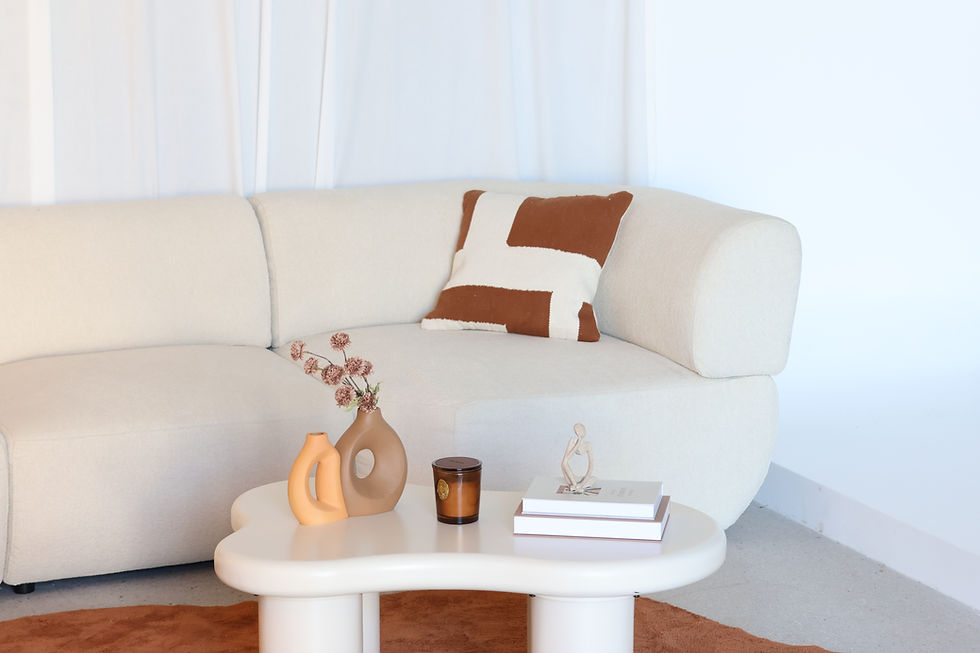
The shift towards participation also reflects how people think about time. If someone chooses to attend an event, they expect more than information they could have read online. They want access, atmosphere and a reason to be in the room.
Creative spaces answer that expectation well. They make the event feel physical, immediate and shared.
Flexible venues help brands shape the whole experience
The phrase “blank canvas” gets used often, but in the case of creative spaces, it can be genuinely useful. Many of these venues are not locked into one standard layout. That gives organisers more control over flow, pacing and detail.
A strong brand event is not only about what people see. It is about how they move through the space.
Good spatial planning can guide guests without making them feel directed. The entry can create anticipation. The first zone can help people settle. A central piece can draw the room together. Smaller areas can reduce crowding and support better conversations.
Creative spaces make that kind of planning easier because they often allow:
Custom furniture placement
Open floor plans
Lighting changes throughout the event
Temporary builds and installations
Food and drink stations in natural gathering points
Different levels of sound and activity in separate areas
This does not mean every event needs a major build. Some of the strongest creative events use restraint. A few well-placed objects, careful lighting, strong signage and considered hosting can do more than a room full of decoration.
The point is control. A brand can choose what to emphasise and when. If intimacy matters, the space can feel warm and close. If discovery matters, guests can move through a series of reveals. If craft matters, materials can sit within reach. If celebration matters, the layout can open up for music, food and connection.
This is one reason creative spaces are the new choice for brand events across a wide range of industries. They do not force one mood. They adapt.
That flexibility also supports better content capture, even when content is not the main aim. A room with natural texture and layered lighting photographs well. Guests often notice when a setting feels worth documenting. Event teams can also capture richer images without needing to make the space look busy or artificial.
Still, a good creative event should not be designed only for the camera. The room needs to work in real life. Sound quality, visibility, seating, service flow, weather plans and accessibility all matter. A beautiful space can disappoint if guests cannot hear, move comfortably or find what they need.
The best creative venues balance character with practical support. They have personality, but they also have power access, amenities, load-in options, clear house rules and a team that understands live events.
Creative settings build more emotional connection
Brands often talk about connection, but events are one of the few places where that connection can happen face to face. The space affects whether people feel welcomed, curious, energised or shut out.
Creative venues tend to feel more human because they carry traces of use. An old factory, artist workshop, former theatre or heritage hall has a past. Even a newer studio can feel warm if it has natural materials, thoughtful proportions and room to breathe.
That matters because guests can sense when an environment has been chosen with care. A memorable setting tells them the event is not an afterthought. It signals that their experience matters.
Emotional connection does not always come from large gestures. It often comes from small, specific choices:
A welcome drink that suits the season
Seating that encourages natural conversation
Lighting that flatters the room without glare
Music that supports the mood instead of competing with it
Materials that reflect the product or story
Staff who guide rather than interrupt
Clear paths so guests can move without friction
A creative space gives those details a stronger frame. It lets them feel part of a whole.
For example, imagine a stationery brand hosting in a print studio. Guests can see paper stocks, ink marks and tools. They can try a short letterpress activity or take home a simple printed card. The space reinforces the meaning of the product through touch and setting.
Or picture a furniture maker in a raw warehouse with pieces arranged as living zones rather than display rows. Guests can sit, gather, eat and talk. The products become part of the social experience, not objects on show.
These examples work because they avoid treating guests as spectators. They invite people to feel the idea behind the brand.

The rise of creative spaces reflects changing expectations
The popularity of creative spaces is not a passing preference for unusual rooms. It reflects a wider change in how people judge events.
Guests are more selective with their time. They notice when an experience feels generic. They also value settings that feel local, thoughtful and connected to real places. A venue with character can support that expectation before the program begins.
Event organisers are also thinking more carefully about purpose. A large room is not always the right room. A prestigious address is not always the best fit. The question has shifted from “How many people can the venue hold?” to “What kind of experience will this space help us create?”
That shift is healthy. It leads to better choices.
A creative space may be the right fit when the event needs:
A distinct mood or point of view
Flexible movement rather than fixed seating
A more personal guest experience
Space for hands-on activity
Strong visual texture
A setting that feels tied to place
Room for surprise or discovery
It may not be the right fit in every case. Some events need a formal theatre, a hotel ballroom or a purpose-built conference centre. Large-scale logistics, strict security, complex staging or extensive accommodation needs may point towards a more traditional venue.
The value lies in choosing the space that supports the goal. Creative spaces are popular because they give brands more options, not because they replace every other format.
When they work well, they help an event feel alive. They allow brands to host with more personality and less sameness. They invite guests to move, touch, taste, listen and remember.
That is the real reason they are becoming the preferred choice for many brand events. They turn the venue from a backdrop into part of the experience.

A good space makes the message easier to remember
The strongest brand events do not rely on spectacle alone. They use space, pacing and detail to make the message clear.
Creative spaces help because they give people context. They make abstract ideas feel tangible. They support natural conversation. They help guests understand a brand through the senses, not just through words.
A plain venue can still host a good event, but a well-chosen creative space can lift the whole experience. It can make the arrival more memorable, the activity more engaging and the goodbye more meaningful.
The takeaway is simple: when the space feels considered, the event feels considered. For brands that want people to remember more than a date in a calendar, that makes all the difference.


Comments